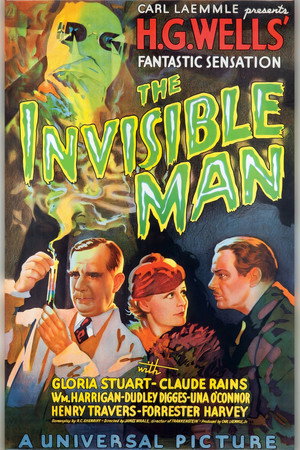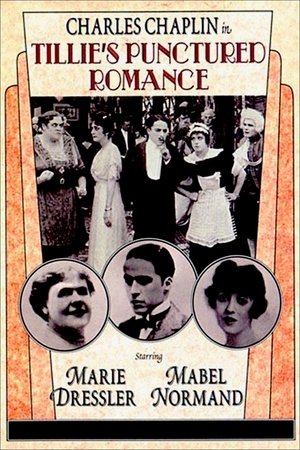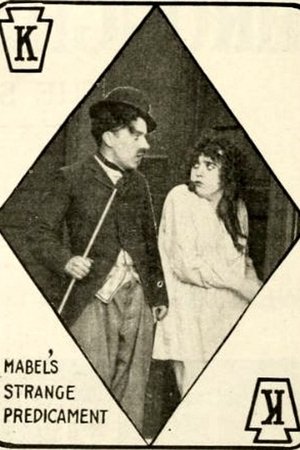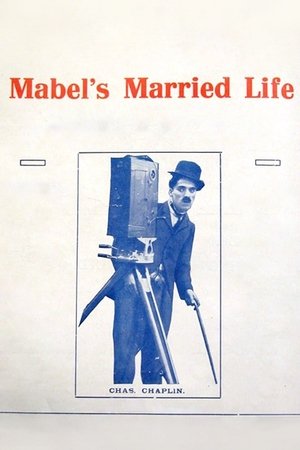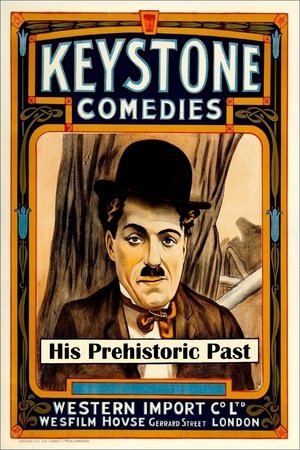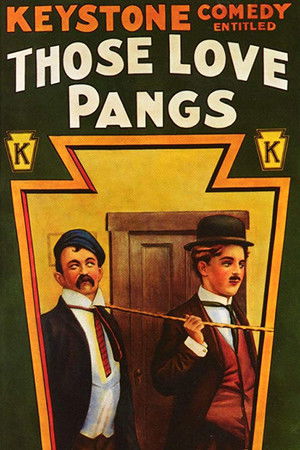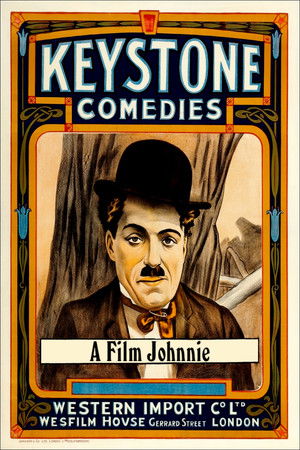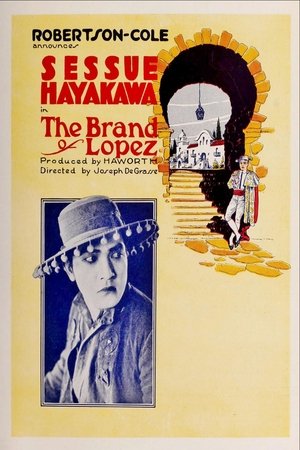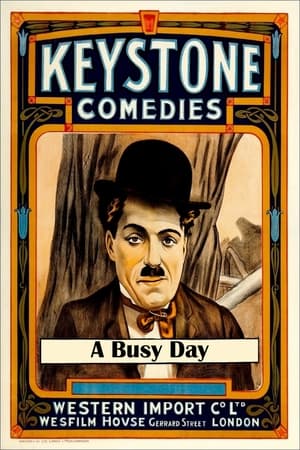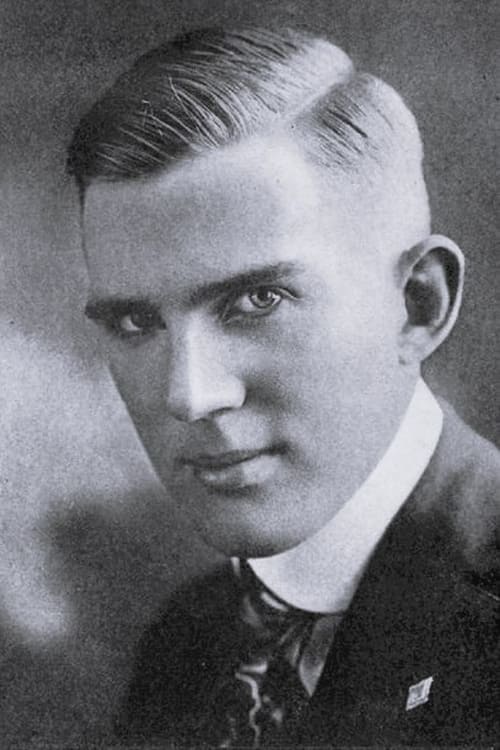
Frank D. Williams (March 21, 1893 – October 15, 1961) was a pioneering cinematographer who was active in the early days of the motion picture industry. He developed and patented the traveling matte shot. Frank D. Williams was born March 21, 1893, as Frank Douglas Williams, to James and Lucinda Williams in the small community of Nashville, Missouri. In 1912, Williams became a cameraman at Keystone Studios. There, in 1914, he was the photographer for many of Charlie Chaplin's first-year pictures, including Kid Auto Races at Venice which was the first film released in which The Tramp appeared. Williams is credited as appearing in Kid Auto Races at Venice, playing a cameraman, but his appearance is in doubt. For a time he was chief cinematographer at Keystone, and a large number of the studio's 1914 films are credited to him as photographer. He defected to work for the short-lived Sterling Motion Pictures, but returned to Keystone when Sterling closed in 1915. He also worked a camera for Henry Lehrman's L-Ko Kompany, Reliance-Majestic Studios, and Bluebird Photoplays. When Roscoe Arbuckle formed a new motion picture company, Comique, in 1917, he hired Williams to be his cameraman. At Comique, Williams also shot Buster Keaton's first film appearance, The Butcher Boy (1917). His tenure there was also short; he shot three films for Arbuckle (Butcher Boy, A Reckless Romeo, and The Rough House) before departing to start his own lab. His business did not get off the ground quickly, and he supplemented his income by continuing to work as a cameraman. He was director of photography at Sessue Hayakawa's Haworth Pictures Corporation and is credited with 15 pictures that came out of that studio between 1919 and 1921. While he was working as a cameraman at various studios, Williams worked on his idea for a traveling matte in which the actions of actors would be combined with a filmed moving background. Available technology prevented him from achieving the effect he envisioned until he built a printer himself to his own specification. He filed for a patent in May 1916, and it was granted in July 1918. The process was first used in a motion picture in 1922's Wild Honey. From Wikipedia, the free encyclopedia