Director
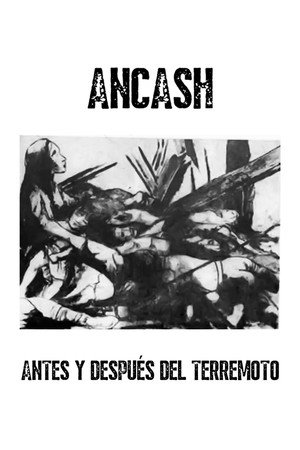
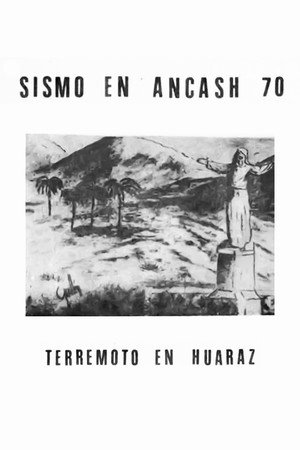
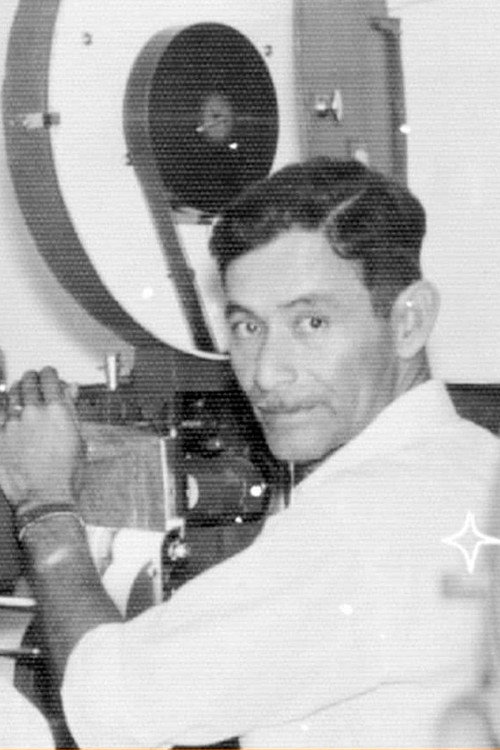
José Ríos Cancino's connection to cinema began in the 1950s, during his deportation to Panama due to his political activism and union activity. There, he held various jobs related to filmmaking, eventually working as a projectionist, an experience that would later shape his relationship with film exhibition and recording. After traveling to different countries, he returned to Peru and joined the second phase of construction of the Cañón del Pato hydroelectric plant in Huallanca as a high-voltage electrician. This important infrastructure project was conceived by the Peruvian scientist and engineer Santiago Antúnez de Mayolo. Faced with a lack of entertainment for the more than one thousand workers on the project, he promoted the creation of the Cine Hidro (Hydro Cinema). This initiative, supported by the union and after obtaining the necessary permit, allowed him to establish a theater that screened 35mm films concurrently with commercial releases in Lima. Once the hydroelectric plant was completed, he moved to Huaraz, a city that would become the primary focus of his audiovisual work. From then on, he began systematically recording his surroundings with an 8mm camera, documenting urban architecture, traditional festivities, social activities, and various events of daily life for almost four decades. His work gained particular significance with his recording of the 1970 earthquake, its aftermath, and the subsequent reconstruction of the city. This collection of films constitutes an audiovisual archive of significant historical value, documenting the urban, social, and cultural transformations experienced by Huaraz over several decades, thus contributing to the preservation of the city's historical memory and audiovisual heritage.